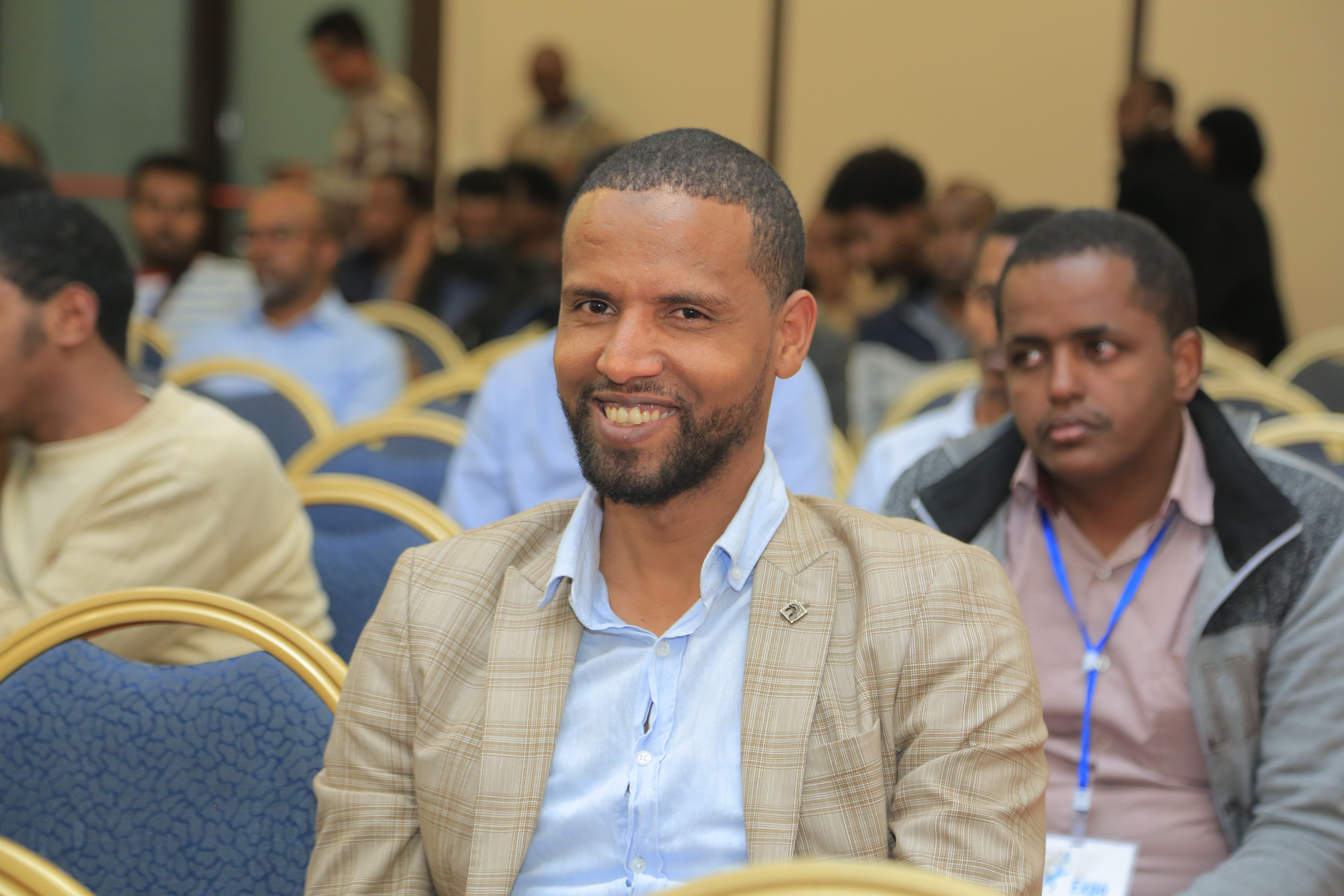
The Future of Islamic Finance in East Africa
Adem Mohammed
Sharia Advisor & Islamic Finance Expert
Article Overview
East Africa stands at the cusp of a transformative era in Islamic finance. With growing demand for Sharia-compliant products and supportive regulatory frameworks, the region is poised for significant growth.
East Africa is witnessing an unprecedented transformation in its financial landscape, and Islamic finance stands at the forefront of this change. With a combined population exceeding 400 million, of whom approximately 60% are Muslim, the region represents one of the largest untapped markets for Sharia-compliant financial services globally.
The trajectory of Islamic finance in East Africa has been shaped by several converging factors. Demographic trends are particularly compelling: the region has one of the youngest populations worldwide, with a median age under 20 in most countries. This young, increasingly educated, and digitally native generation actively seeks financial services aligned with their religious values while meeting modern expectations for convenience, transparency, and innovation.
Ethiopia has emerged as a particularly significant market. The licensing of ZamZam Bank in 2021 as the country's first full-fledged Islamic bank marked a watershed moment, followed shortly by Tseday Bank. These institutions have demonstrated remarkable resilience and growth, proving that Islamic banking can thrive even in a predominantly conventional banking environment. As of 2025, Islamic banking assets in Ethiopia represent approximately 3% of total banking assets, a figure expected to reach 10% by 2030.
The regulatory evolution across the region has been equally significant. The National Bank of Ethiopia has issued comprehensive directives for Islamic banking operations, including detailed guidance on profit-sharing ratios, loss provisions, and liquidity management. Kenya's Capital Markets Authority has established a dedicated Islamic finance desk, while Tanzania's central bank has incorporated Islamic banking windows into its regulatory framework.
One of the most promising developments is the growing interest in Sukuk instruments for infrastructure financing. Several East African governments are actively exploring sovereign Sukuk issuances, recognizing these instruments can unlock access to the estimated $3 trillion global Islamic capital market. A sovereign Sukuk issuance would not only raise capital but also establish a benchmark yield curve for corporate Sukuk issuances, catalyzing development of a local currency Sukuk market.
The Takaful sector presents another frontier for growth. With penetration rates below 1% across most of the region, the market opportunity is substantial. Innovations in digital Takaful distribution through mobile money platforms are creating new pathways for reaching underserved populations. Kenya has issued dedicated Takaful regulations, and other jurisdictions are following suit.
However, significant challenges must be addressed. The shortage of trained professionals remains acute — fewer than 500 professionals across the entire region hold recognized Islamic finance certifications. Educational institutions must rapidly expand training capacity, and industry players must invest in continuous professional development. The establishment of Islamic finance academic programs at Addis Ababa University and the University of Nairobi represents positive steps.
Interoperability between Islamic and conventional financial systems requires attention. Payment systems, clearing mechanisms, and liquidity management tools must accommodate both seamlessly. Adoption of AAOIFI standards across the region would significantly enhance consistency and comparability.
Technology will be the great accelerator. Digital banking platforms built for Islamic finance, blockchain-based Sukuk issuance platforms, and Sharia compliance monitoring systems are being deployed today. Institutions that embrace these technologies while maintaining rigorous Sharia compliance will lead the next phase of growth.
The future of Islamic finance in East Africa is not merely bright — it is transformative. With sustained regulatory commitment, investment in human capital, and strategic deployment of technology, the region can establish itself as a globally significant hub for Islamic finance innovation.
Adem Mohammed
Sharia Advisor & Islamic Finance Expert
Based in Addis Ababa, Ethiopia