Digital Transformation in Islamic Education
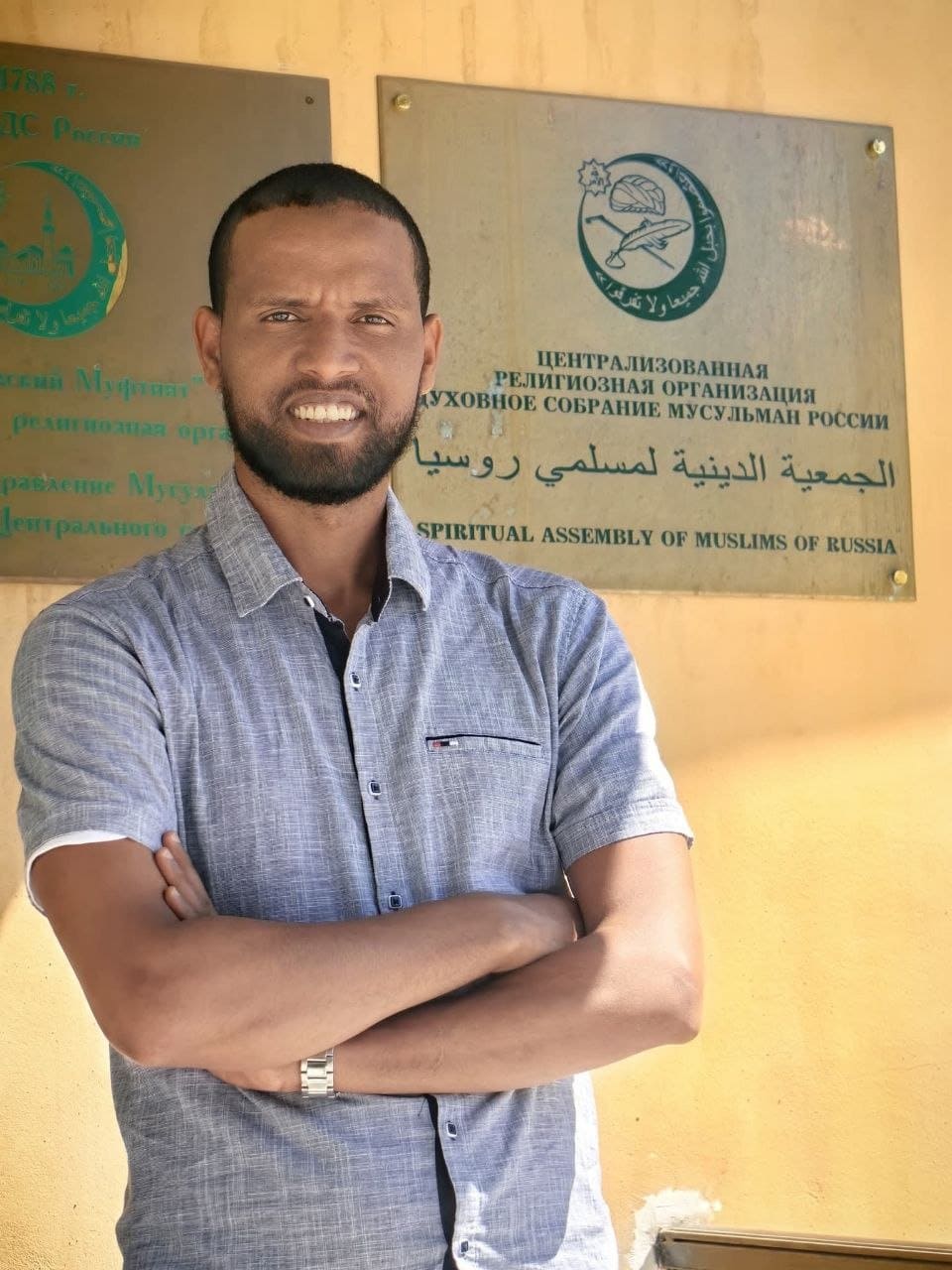
Adem Mohammed
Sharia Advisor & Islamic Finance Expert
Article Overview
Technology is reshaping how Islamic education is delivered. From AI-powered tutoring to blockchain-verified certificates, the future of learning is digital.
The landscape of Islamic education is undergoing a fundamental transformation that extends far beyond the simple digitization of traditional materials. We are witnessing a paradigm shift in how Islamic knowledge is created, disseminated, authenticated, and applied in the contemporary world.
At the heart of this transformation lies the emergence of purpose-built Learning Management Systems (LMS) designed specifically for Islamic education. Platforms like Ademina Academy have demonstrated that structured, scaffolded online courses can deliver high-quality Islamic education at unprecedented scale. Our platform currently serves students from 24 countries, offering courses ranging from Islamic finance fundamentals to advanced Arabic language studies and Sharia jurisprudence.
The implications for accessibility are profound. Students in regions with limited access to qualified Islamic scholars — particularly Muslim minorities in non-Muslim majority countries — can now access world-class instruction. A Somali refugee in a camp in Kenya can study Islamic finance alongside a professional in Dubai. This democratization of Islamic knowledge is arguably the most significant development in Islamic education since the printing press.
Data analytics represents another transformative dimension. Digital platforms generate rich data on student learning patterns, knowledge retention, and areas of difficulty. At Ademina Academy, we use this data to continuously refine our curriculum, identify gaps in understanding, and provide targeted interventions. This evidence-based approach to curriculum development represents a departure from tradition-bound methods of Islamic pedagogy.
Blockchain technology is solving the longstanding credential verification challenge. Digital certificates issued on blockchain networks are tamper-proof, instantly verifiable, and portable across borders. This is particularly valuable for students who may need to verify their Islamic education credentials for employment or further study across different countries and institutions.
The mobile-first reality of developing countries shapes our approach. With smartphone penetration exceeding 80% in most East African countries while desktop access remains limited, our platform is designed for mobile from the ground up. Bite-sized lessons, push notifications for course updates, and offline-capable content ensure learning can happen anytime, anywhere — even in areas with intermittent internet connectivity.
The COVID-19 pandemic served as an unexpected catalyst. Institutions that had resisted digital transformation for years were compelled to adapt virtually overnight. Many discovered that blended learning models — combining online instruction with limited in-person interaction — offered advantages over purely traditional approaches. The hybrid model is likely to persist and evolve.
Artificial intelligence is the next frontier. NLP-powered tools are enabling students to receive real-time feedback on Arabic grammar and pronunciation. Adaptive learning algorithms adjust content difficulty dynamically based on individual student performance. AI-assisted content generation helps instructors create practice materials and assessments efficiently.
Crucially, digital transformation does not mean abandoning traditional methods. The spiritual connection between teacher and student, the barakah of direct transmission, and the moral guidance that comes from personal mentorship remain irreplaceable. Technology should augment, not replace, these essential elements of Islamic education.
The institutions that succeed in this new landscape will be those that thoughtfully integrate technology while preserving the authentic spirit of Islamic learning. The future of Islamic education is not purely digital or purely traditional — it is intelligently integrated.
Adem Mohammed
Sharia Advisor & Islamic Finance Expert
Based in Addis Ababa, Ethiopia